Loading...
Serving Moreno Valley, CA and surrounding areas. (909) 760-1609
Widespread cracks and ruts do not respond to patches. Milling grinds out the damaged layer so new asphalt bonds to a solid base - fixing drainage while it goes.
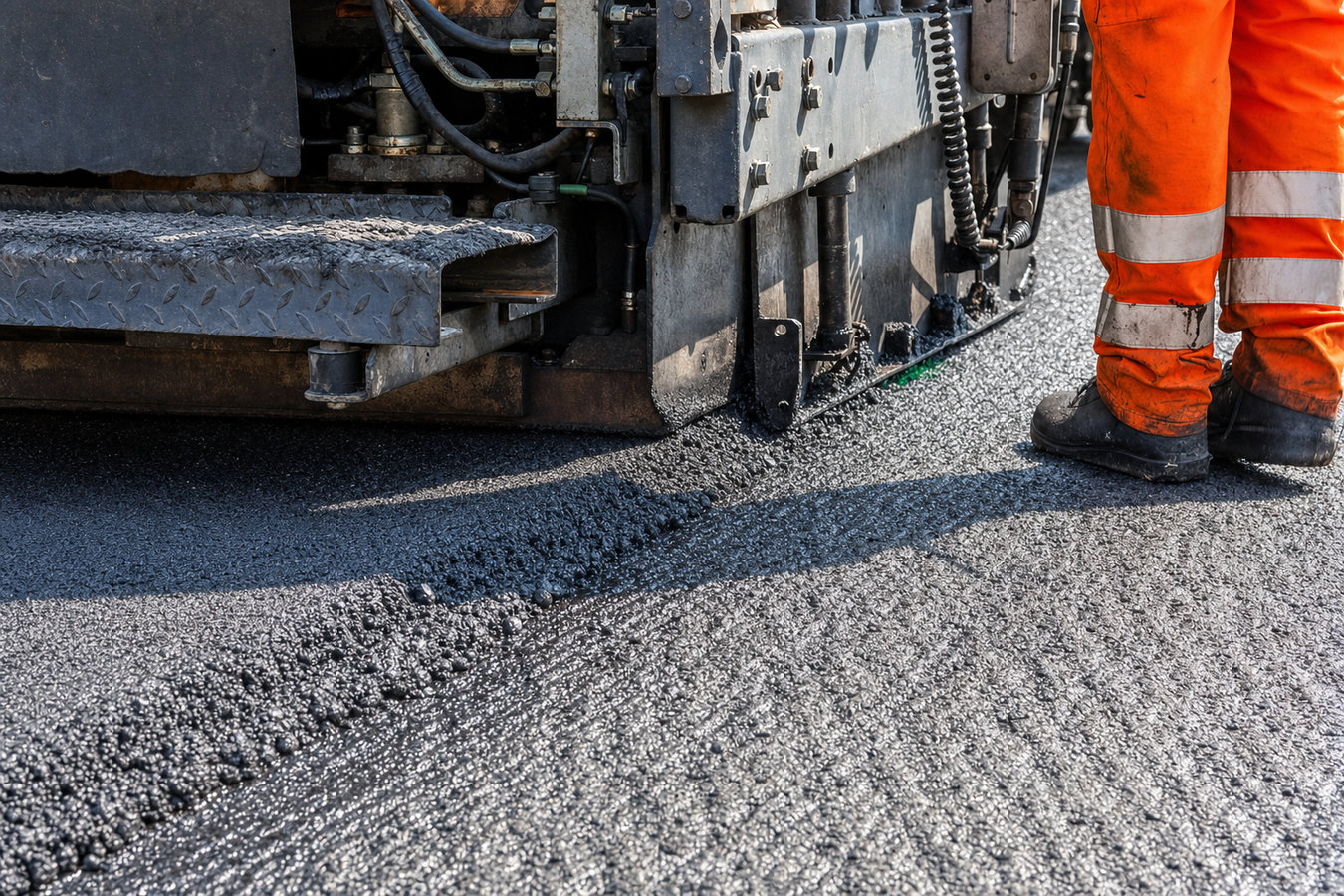
Asphalt milling in Moreno Valley uses a machine with rotating cutting teeth to grind down the top layer of an existing driveway or parking area to a controlled depth, leaving a clean textured base ready for fresh asphalt - most residential driveways are milled in a few hours and repaved within one to two days.
If your driveway shows widespread cracking or ruts that keep coming back after patches, milling removes the damaged layer entirely rather than masking it. Moreno Valley's intense summer heat and UV exposure break down asphalt faster than in cooler climates, so surfaces here often need attention earlier than homeowners expect. Milling also lets the crew reshape the grade before repaving - solving drainage problems that a simple overlay cannot fix. Once the surface is reset, asphalt resurfacing completes the job with a fresh, well-bonded top layer.
The right choice between milling and full removal depends on whether the base underneath is still structurally sound - a good contractor checks that before making a recommendation.
When cracks have spread in a web or alligator pattern across most of the driveway, patching individual spots no longer makes sense. Each patch holds briefly before new cracks appear beside it. Milling removes the cracked layer entirely and gives you a solid foundation for repaving.
In Moreno Valley's intense sun and heat, asphalt loses its flexibility over time and turns gray and brittle. When small pieces break off at the edges and the surface feels rough underfoot, the top layer has reached the end of its useful life and is ready to be milled away.
Low spots that collect water are a sign the surface has settled or was never graded correctly. Pooling accelerates cracking and can push water toward your garage. Milling lets the crew correct the slope before repaving so the new surface sheds water properly.
Repeated heat and vehicle load cause asphalt to deform in high-traffic spots. Ruts hold water, accelerate cracking, and can damage tires and suspension over time. Milling levels the surface before a new layer is applied, so the problem does not transfer to the new pavement.
We provide residential and commercial asphalt milling across Moreno Valley and the broader Inland Empire. The process starts with an honest surface assessment - we check whether the base is still structurally sound before recommending milling versus full removal. If drainage is an issue, we correct the grade during the milling pass before the new asphalt goes down. The milled material is hauled away and recycled as reclaimed asphalt pavement, which helps keep the project cost competitive. We also coordinate drainage solutions when the project requires more than a grade correction alone.
Every milling job is followed by repaving as part of a complete surface reset. We use asphalt mixes appropriate for Inland Empire temperature conditions, compact thoroughly, and finish edges cleanly. Homeowners who want to protect the new surface long-term can schedule a sealcoat application several months after curing - ask about timing when we walk the finished job.
Best for homeowners with widespread surface cracking, ruts, or pooling water on a driveway whose base is still structurally intact.
Best for driveways that pool water near the garage or drain toward the wrong direction - the grade is corrected during the mill pass before repaving.
Best for business owners and property managers whose parking areas have deteriorated to the point where overlay or patching is no longer cost-effective.
Best for any property where the old surface needs a complete reset - milling and repaving scheduled together for the least disruption and the best long-term result.
Moreno Valley sits in the Inland Empire and regularly sees summer temperatures above 100 degrees with intense year-round UV exposure. That combination bakes the binder out of asphalt faster than in coastal or northern California climates - surfaces here go brittle and crack sooner than homeowners expect. Many driveways installed in the rapid-growth neighborhoods of the 1980s and 1990s are now showing years of heat damage compounded by the area's expansive clay soils, which shift the base from below with every rain-and-dry cycle. Customers in Hemet face the same combination of heat exposure and soil movement - it is an Inland Empire-wide pattern.
Laying new asphalt directly over a badly deteriorated surface lets the underlying problems keep working their way up. Milling removes the damaged layer so the new surface bonds to a solid, even base - giving it the best possible chance of lasting a decade or more before needing attention again. The fall-through-spring scheduling window fills up fast in this region, particularly in Beaumont and surrounding communities where demand for quality paving work is consistent. Booking early gives you the moderate-weather window that produces the best finished results.
Call or submit a request and we schedule a free visit to measure the area, walk the surface, and check base condition. You get a written quote with milling depth and new layer thickness specified. We reply within one business day.
Once you accept the quote, we schedule the work. Clear the driveway of vehicles and anything in the work zone before the crew arrives. We will tell you exactly what to move and how early.
The milling machine makes overlapping passes, grinding to the specified depth. Milled material is loaded and hauled for recycling. Most residential driveways are milled in a few hours, leaving a rough, grooved surface - that texture is intentional and helps the new asphalt grip.
Within one to two days the crew returns to lay fresh asphalt, compact thoroughly, and finish the edges cleanly. We walk the finished surface with you, confirm drainage slope, and advise on when to resume vehicle use.
Free on-site estimate, written quote with depth and thickness specified. No pressure, no guesswork.
(909) 760-1609We understand how Moreno Valley's summer temperatures and clay soils accelerate surface deterioration. That local knowledge shapes how we time the work, choose the asphalt mix, and compact the new layer - the difference between a surface that holds up for years and one that fails by next summer.
We check whether the base is still structurally sound before recommending a mill-and-overlay. If the base has failed, we say so and explain the options rather than milling over a foundation that will cause the new surface to fail in the same way.
Every project comes with a written contract that specifies the milling depth, the thickness of the new asphalt layer, and the project timeline. That documentation protects you and holds us to what we said we would deliver.
We belong to the National Asphalt Pavement Association and hold a current California state contractor license verifiable through CSLB. Full liability insurance and workers compensation coverage on every job.
Milling done right gives new asphalt the clean, consistent base it needs to last in one of California's most demanding paving climates. These are the reasons customers across the Inland Empire call us before they sign a contract with anyone else.
Address pooling water and grade issues before or alongside a milling project to prevent drainage problems from returning.
Learn MoreApply a new asphalt layer after milling for a complete surface reset that lasts years longer than an overlay on a failing surface.
Learn MoreThe October-April window fills up fast - reach out now to lock in moderate-weather scheduling for the best results.